What is an electronic seal? An electronic seal is data in electronic form attached to, or logically associated with, other data in order to guarantee the origin and integrity of those data on behalf of a legal person. The underlying logic is...


Articles
Dive into our articles on electronic seals to understand how this essential trust service guarantees the integrity and origin of your digital documents. Learn how organisations use electronic seals to protect their businesses, ensure data authenticity, and strengthen compliance with regulations and industry standards.
What is an electronic seal? An electronic seal is data in electronic form attached to, or logically associated with, other data in order to guarantee the origin and integrity of those data on behalf of a legal person. The underlying logic is...

What is integrity? The integrity of data or a document refers to the absence of alteration: the content presented must be identical to the content that was originally created or stored. In the context of electronic records, integrity is an explicit...

Key takeaways to remember about the burden of proof Electronic evidence has the same legal value as a paper document (Articles 1365 and 1366 of the French Civil Code). The burden of proof rests with the claimant (the party asserting the facts), but...
Key takeaways: The European Digital Identity, through the EUDI Wallet, seeks to establish an interoperable means of identification recognised across the European Union. It enables users to prove certified attributes (age, qualification, identity)...

Key takeaways eIDAS compliance governs digital trust services in Europe and determines the legal effect of electronic signatures, seals and timestamps. Qualified services benefit from a presumption of reliability recognised throughout the European...
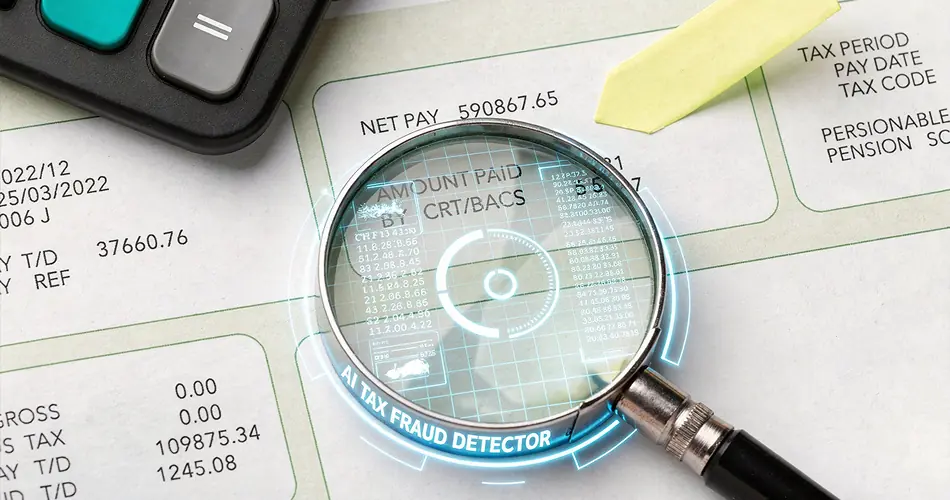
Key takeaways AI is becoming a major tool to fight social and tax fraud, but it is still underused by public authorities. AI technologies (machine learning, deep learning, generative AI) can process large volumes of data and detect increasingly...

Key takeaways on CLM Contract lifecycle management (CLM) enables the structured organisation and effective oversight of the contract lifecycle, from drafting through to archiving. CLM tools enhance contractual governance by centralising documents,...

Key points to keep in mind about the authenticity of a document Authenticating a document means verifying its origin, its integrity and its conformity with the original. Documentary fraud is increasing: 69% of French companies are targeted by...

Key points on trust service providers A trust service provider (TSP) delivers trust services intended to guarantee the authenticity, integrity and legally reliable dating of electronic documents and data. The reference legal framework is the eIDAS...

Key points to remember about the French AQP norm: The AQP / NF P 98-750 scheme addresses an evidential requirement: securing the traceability of asphalt deliveries and limiting fraud (theft, falsification, disputes). The weighbridge ticket is a key...

Key takeaways on the compliance of an electronic seal The electronic seal ensures the origin and integrity of documents issued by a legal entity. Only the qualified level benefits from a legal presumption of conformity throughout the European...

Key points on admissible digital evidence An electronic record has the same evidential weight as a paper document, subject to certain conditions. Two fundamental requirements apply: identification of the author and integrity of the document. The...

Key points on NTP Protocol The NTP protocol is a technical mechanism designed to synchronise the clocks of computer systems within a network. This shared time reference becomes decisive where the date and time of an event are relied upon for...
Key takeaways Corporate digital identity is a pillar of digital trust. It enables authentication of the issuing legal entity and ensures the integrity of the documents it produces. Failure to address this identity exposes organisations to...

Key takeouts on the benefits of electronic seals An electronic seal is the digital equivalent of a company stamp. Technically, it results from the combination of a digital identity certificate and a timestamp token affixed to a PDF document. This...

Key takeaways Digital trust has become a strategic issue in securing digital workflows in the face of the increase in cyberattacks, fraud and regulatory requirements. It is based on four core pillars: data integrity, authenticity of the issuer,...

Key takeaways Digital consent does not always take the form of a signature. A click, a ticked box or the validation of a form must nevertheless be demonstrated in a reliable and legally enforceable manner. Qualified timestamping provides a legally...

Key takeaways The evidential value of an electronic signature is based on the identity of the signatory, the integrity of the document and the reliability of the signing process, beyond the mere eIDAS signature level. Even a qualified electronic...

Key takeaways Claims management is becoming increasingly digital, with widespread use of online claims notifications and strong expectations of simplicity and speed on the part of policyholders. This transformation requires insurers to reassess...

Key takeaways Documentary fraud, which has increased significantly with digitalisation, represents a major financial, legal and reputational risk for businesses and institutions. The electronic seal, the digital equivalent of a corporate stamp,...

Electronic Signature: engaging an individual The European eIDAS regulation[1] defines an electronic signature as a set of “data in electronic form which are attached to or logically associated with other data in electronic form and which the...

Key takeaways The electronic seal, as defined by the eIDAS Regulation, guarantees the origin and integrity of digital documents issued by a legal entity, unlike the electronic signature, which identifies a natural person. The eIDAS Regulation...